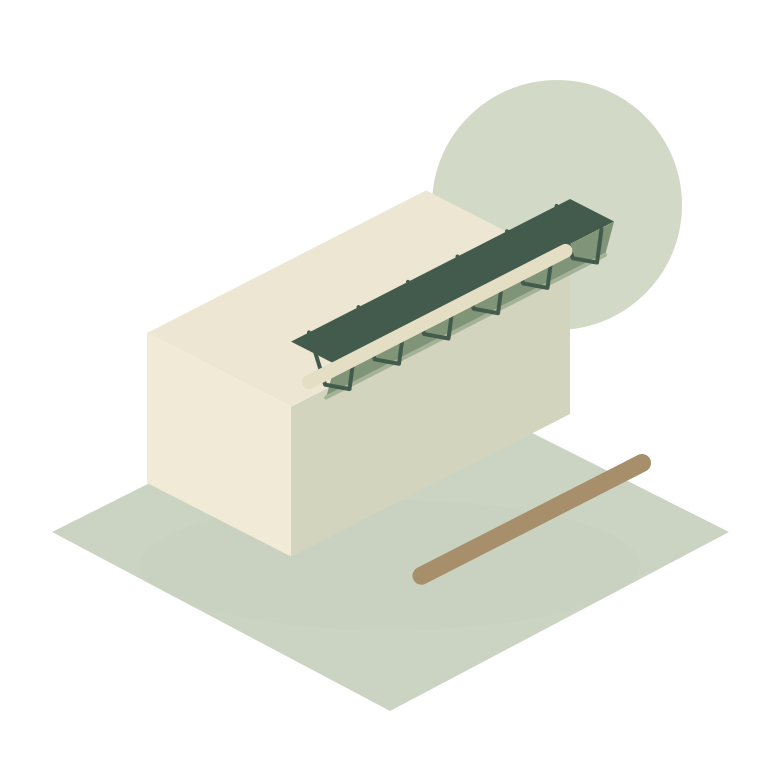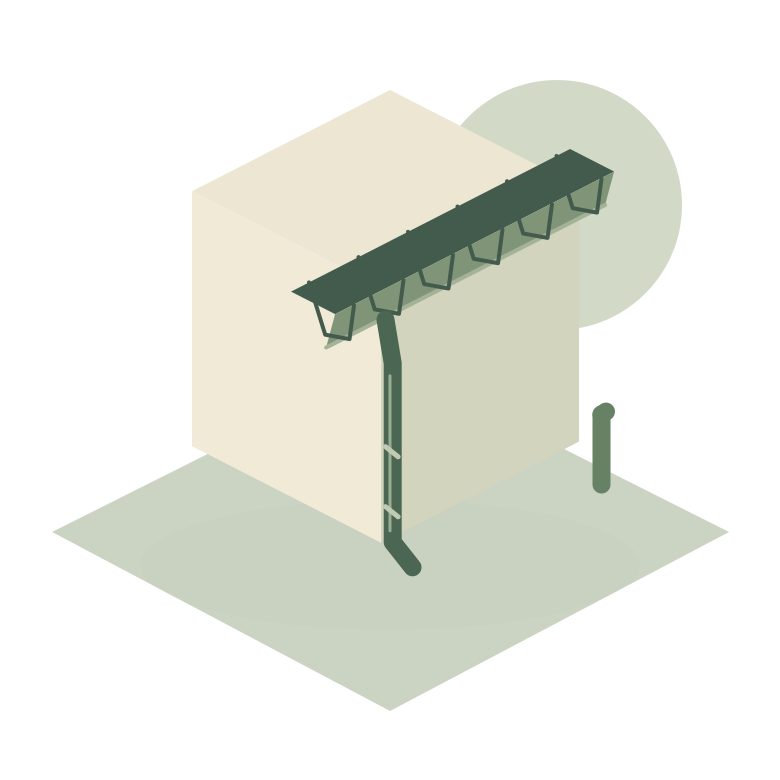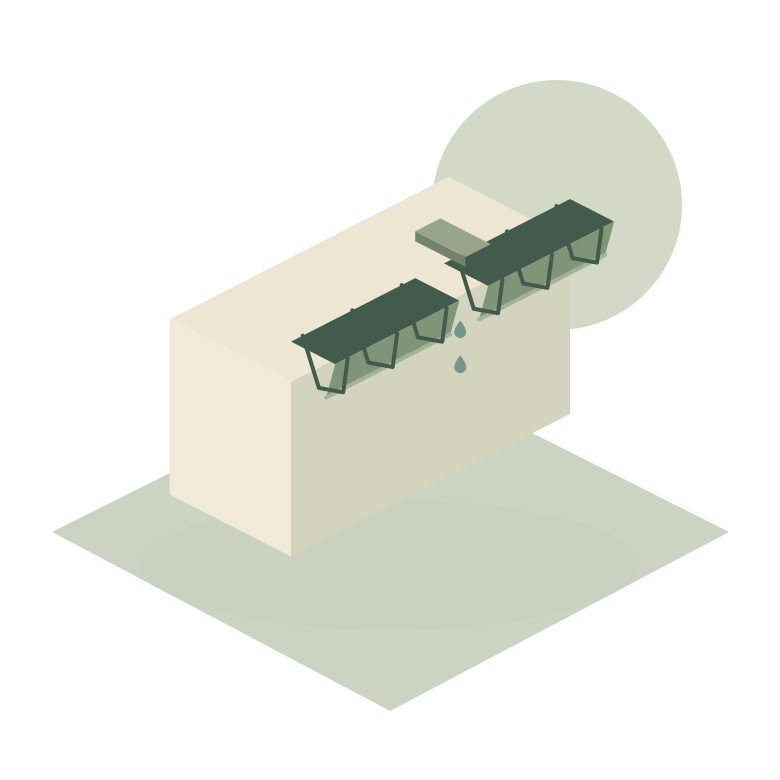
Identify the gutter symptom
Identify where water escapes: a joint, corner, outlet or the front edge. Note whether the gutter has visibly moved away from its support. Observations during rainfall can help, provided you can make them from a safe location.
Establish the cause
Obstructions, poor alignment, loose brackets or failed seals can all contribute. A restricted downpipe may also cause overflow. The useful question is why the fault occurs, not simply where water is seen on the wall.
Define a compatible local repair
A local repair depends on compatible components and sound adjoining material. Ask whether brackets, seals or a short section need attention and whether the fixing surface remains suitable. Damaged fascia may need its own work before the gutter can be supported properly.
When to consider renewal
Extensive deterioration, repeated failures or unavailable matching parts can change the decision. Compare a defined local repair with renewal of the affected run. Make clear where new and retained components will join.
Prepare a gutter repair request
Provide the elevation, visible symptoms and any history of repeated blockages or repairs. Access and the number of affected areas influence the scope. A quote should distinguish repair from any clearance or associated roofline work.
Your questions, answered.
Can a leaking gutter joint be repaired on its own?+
Possibly, where compatible parts and sound adjoining material allow a suitable local repair.
Why does guttering overflow even when it looks clear?+
Alignment, capacity, outlets or downstream restrictions may be involved; visible cleanliness alone does not establish correct flow.
Could damaged fascia affect gutter support?+
Yes. The support behind the gutter must be sound enough for the intended fixing.