
Locate the affected junction
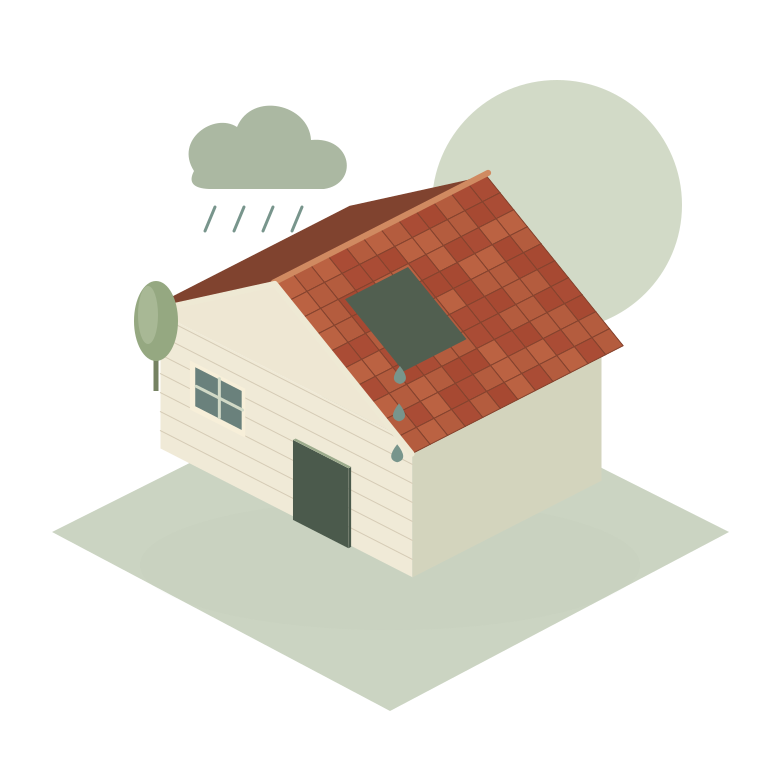
Wall abutments, chimney bases and valleys collect or redirect water in different ways. Damp nearby is useful evidence, but the visible stain may not sit below the entry point. Record the location without assuming which component has failed.
Choose the relevant repair
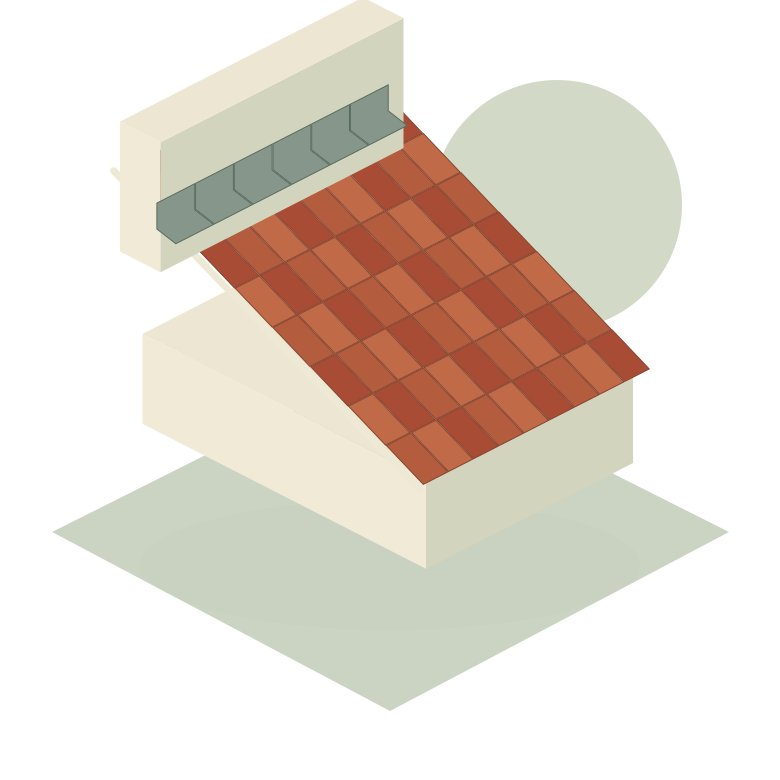
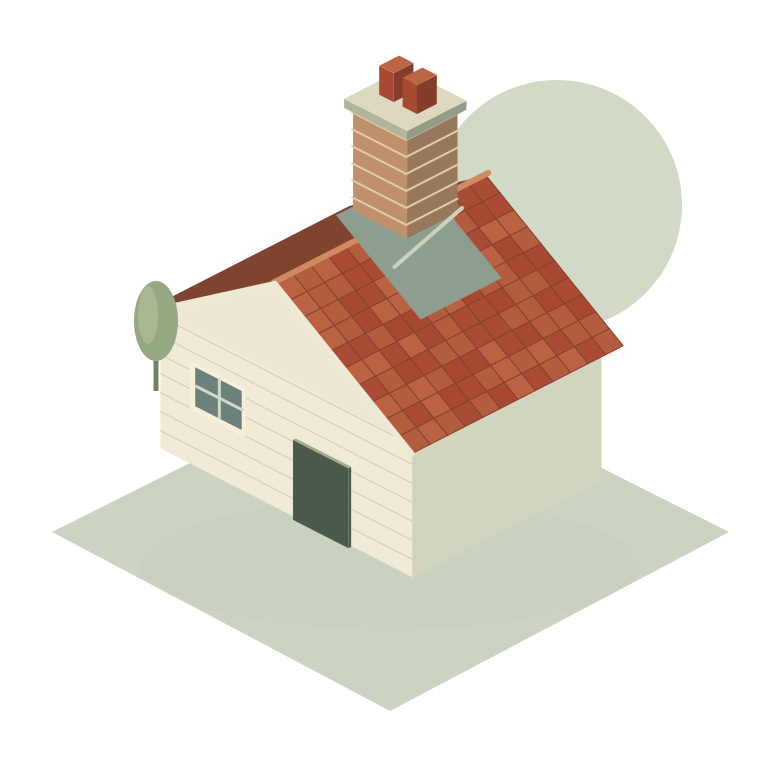
Flashing repairs covers weatherproof transitions to walls and projections. Chimney roof repairs considers the more complex interface around a stack. Valley repairs deals with the channels between pitched slopes and the coverings alongside them.
Why junctions need careful assessment
Junctions need compatible overlaps, drainage paths and allowance for the building's details. Adjacent masonry or coverings can affect the same area. A useful assessment explains how the proposed repair addresses the water path rather than merely covering a visible gap.
Prepare the assessment
Provide photographs taken safely, the affected room and the conditions that bring on the leak. Previous sealant repairs or alterations to the adjoining roof or wall are worth mentioning.
Your questions, answered.
Can junctions leak while the roof covering is sound?+
Yes. Junction details can fail independently of the main covering, although the source still needs investigation.
What is the difference between flashing and a valley?+
Flashing weatherproofs a transition; a valley channels water between roof slopes. They have different detailing requirements.
Which page covers water around a chimney?+
Use Chimney roof repairs for the interface around a stack, including adjacent coverings and flashing.