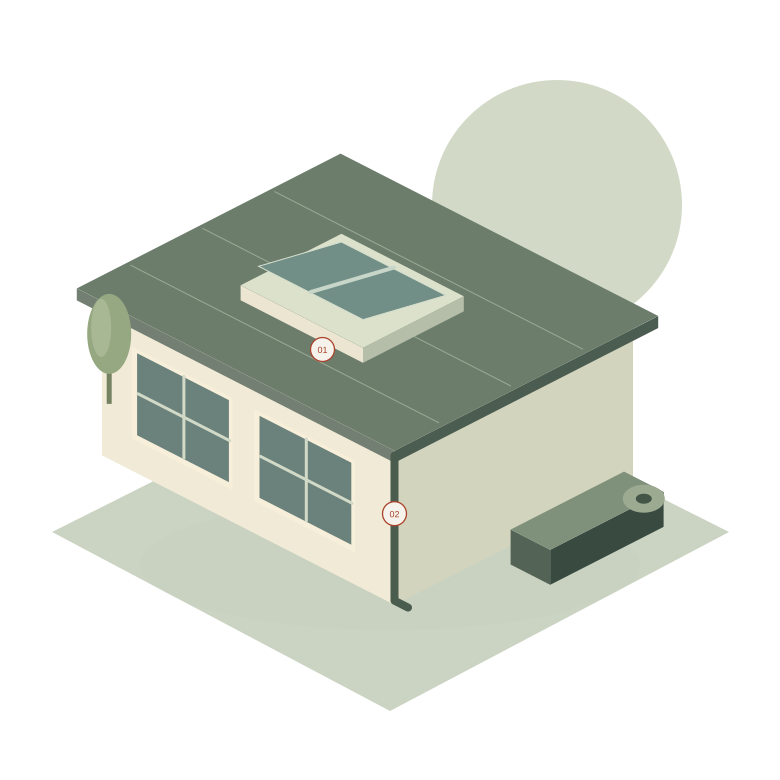


What stage is your flat roof at?
For a new roof, start with the building use and design. For an existing roof, describe the problem before choosing a replacement material. Leaks, surface damage and standing water can point to different issues, even when they occur together.
Compare flat roof systems
Felt, EPDM rubber and GRP fibreglass are distinct system choices. Roof shape, substrate and edge details influence suitability. Compare a complete specification and its installation requirements rather than expecting one material to solve every flat-roof problem.
Find help for an existing roof
Use repairs for local damage or ingress, replacement for a wider renewal decision and drainage for water that does not run off as expected. The assessment may identify work across more than one area, but the cause should determine the scope.
Consider the whole roof build-up
The deck supports the covering; insulation and moisture control affect the room below; falls and outlets move water away. These elements need to work together. A new surface alone may leave problems in underlying layers or drainage unresolved.
Prepare a flat roofing enquiry
Provide the roof's use, approximate size, known material and fault history. Note whether the space below is heated or occupied. Ask the proposal to distinguish the covering from any work to the deck, insulation, edges and drainage.
Your questions, answered.
Which flat roof system is suitable for my building?+
The roof form, substrate, details and intended use determine suitability. Compare actual system specifications.
Can a leaking flat roof be repaired?+
Local repairs may be appropriate when the cause is identified and surrounding materials remain suitable.
Does standing water mean the covering has failed?+
Not necessarily. Falls, outlets or obstructions may contribute; the retained-water pattern needs assessment.