What timber damage means for the roof
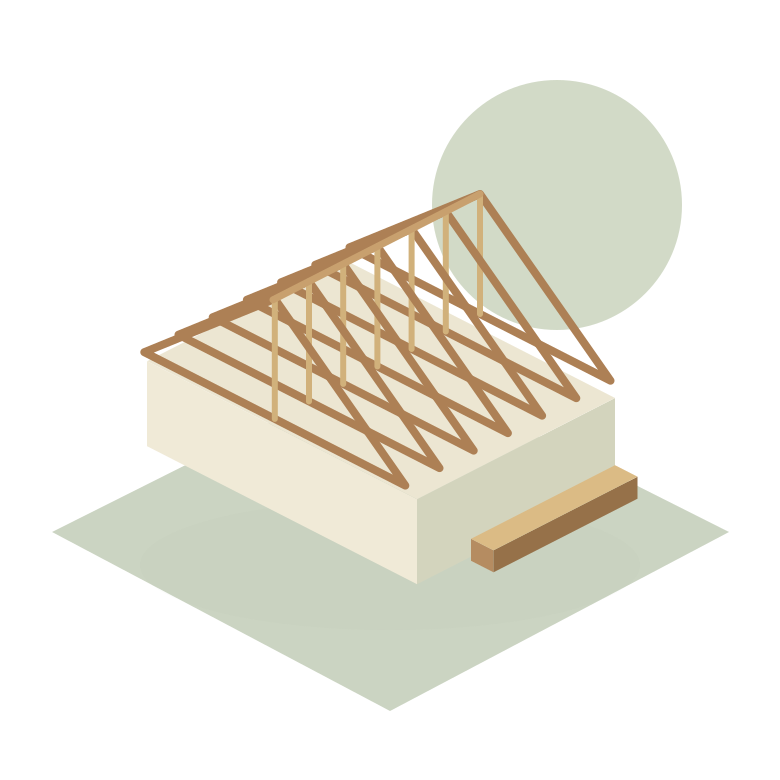
Battens support the covering, while rafters and other structural members carry roof loads. A defect in one does not automatically establish failure in the other. Visible movement, sagging or significant damage deserves appropriate assessment before ordinary covering repairs are specified.
Find the cause and extent
Moisture entry and the condition of the roof space can be relevant to timber deterioration. The extent may remain concealed until access is available. Treating the damaged timber without addressing the cause can leave the new work exposed to the same conditions.
When structural advice is needed
Load-bearing alterations or signs of structural movement may require a structural engineer. The roofing scope should identify that dependency. Do not assume a standard covering quotation includes structural design, and do not cut or prop roof members as a DIY investigation.
Coordinate timber and roofing work
Timber work needs coordination with opening the roof, protecting it from weather and restoring the covering. Define what can be assessed in advance and how additional damage will be handled. Keep evidence of concealed findings before they are covered again.
Prepare the project discussion
Share any survey findings, photographs and history of leaks or movement. Describe observations plainly rather than diagnosing rot or structural failure yourself. A clear initial account helps identify the appropriate assessment and roofing follow-up.
Your questions, answered.
Are battens and rafters the same thing?+
No. Battens support the covering; rafters are part of the load-bearing roof structure.
Does a sagging roof always mean timber decay?+
No. Movement can have different causes and needs appropriate assessment.
When might a structural engineer need to assess the roof?+
Where load-bearing alterations, significant damage or movement raise questions about structural adequacy.