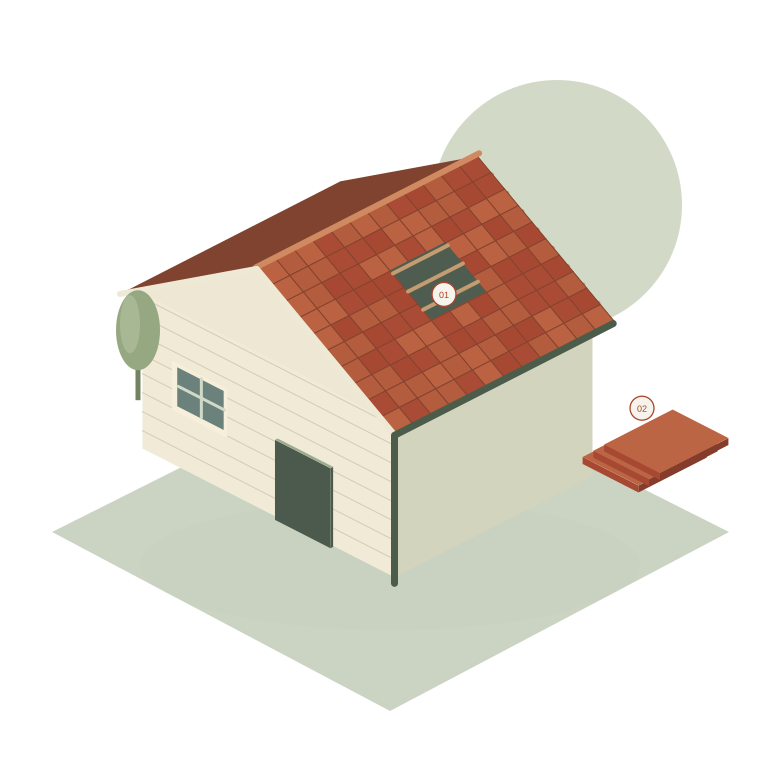
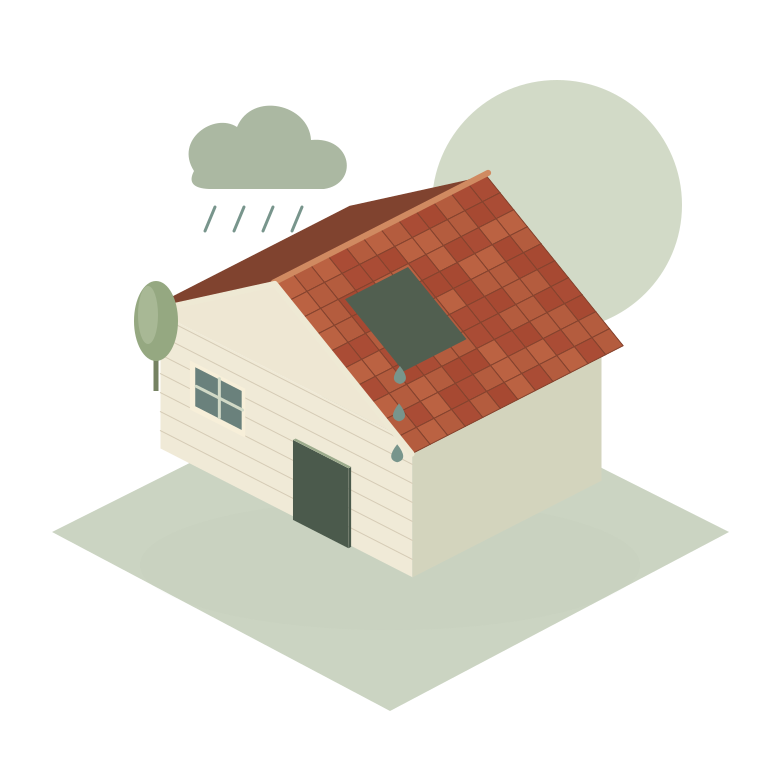


Start with the signs you can see
A ceiling stain, a missing tile and overflowing water are different starting points. Note what changed and when it happens. The visible symptom helps direct an assessment, but water can travel before it appears indoors, so it does not always identify the failed component.
Choose the right repair topic
Choose leaks and weather damage for unexplained ingress or storm-related problems. Roof coverings covers tiles, slates and ridges. Roof junctions covers flashing, chimneys and valleys: the transitions that must keep water moving over, rather than into, the building.
Repair or wider renewal?
An isolated defect in an otherwise sound roof may suit a local repair. Repeated failures, widespread deterioration or damaged supporting materials deserve a wider review. Ask what evidence supports replacement and which parts of the existing roof can remain.
What a repair assessment should clarify
A clear repair proposal identifies the likely cause, the affected area, the materials and the access required. It should distinguish work that is included from any concealed damage that cannot be confirmed until the roof is opened.
Prepare a repair enquiry
Describe the symptom rather than requesting a repair you are unsure about. Include the roof type if known, the location of the problem and any previous work. Safe photographs and a brief history make the enquiry more useful.
Your questions, answered.
Can a roof be repaired without replacing it?+
Often, an isolated defect can be repaired. The surrounding roof condition and underlying cause determine whether that is sensible.
Can the visible damp patch reveal the source?+
Not reliably. Water can track along roof materials before it reaches the ceiling.
What affects the scope of a roof repair?+
Extent, access, compatible materials, adjoining details and any concealed damage all affect the repair scope.