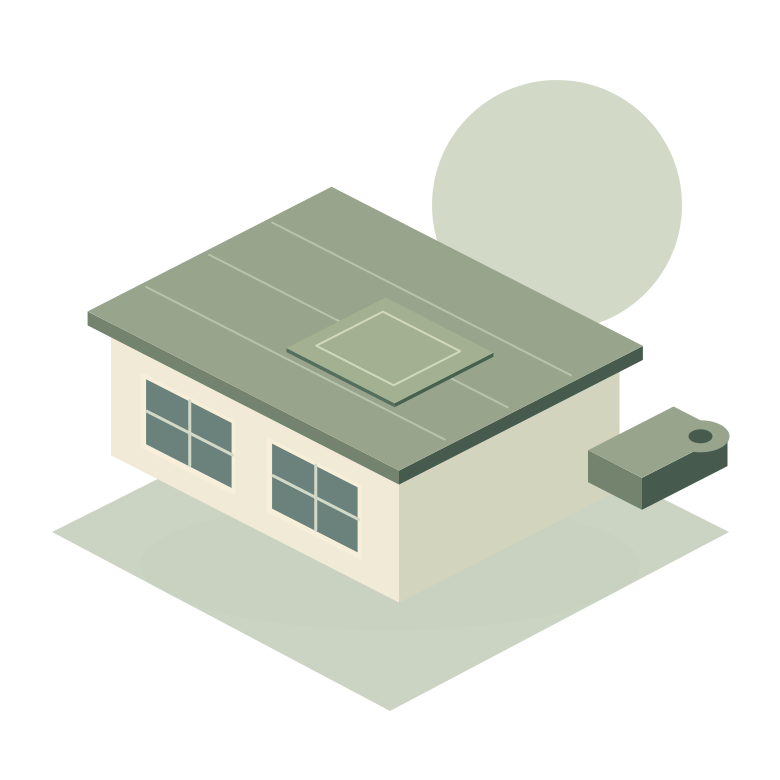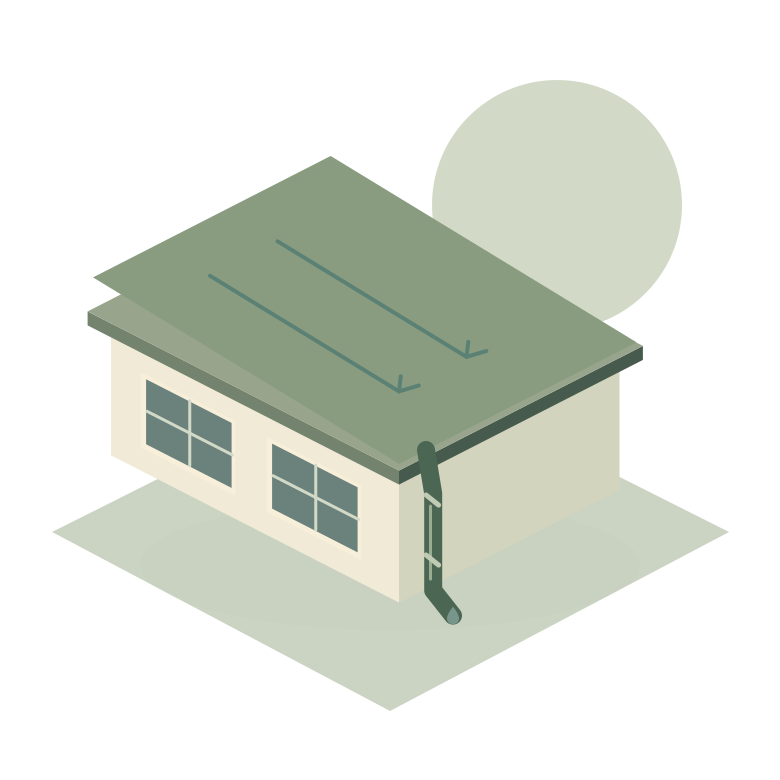
Observe the water pattern
Observe the location and extent of retained water after rain from a safe position. Note whether it reduces as conditions change and whether there is associated leakage. One photograph cannot establish the cause or whether the covering needs replacement.
Check outlets and downstream flow
Leaves, debris or restricted downstream flow can affect an outlet. The connection to a gutter or downpipe is part of the water route. Assessment should distinguish an obstruction from damage or an unsuitable arrangement before wider roof work is proposed.
Assess roof falls and layout
Falls direct water towards outlets. Roof geometry, levels and changes in the supporting structure may influence where water gathers. Correcting those issues can involve more than a surface patch, particularly when changes affect the deck or roof build-up.
Match the cause to a remedy
Clearance may resolve a blockage; an outlet fault may need local work; inadequate falls can call for a broader design. Ask the proposal to connect the remedy to the observed cause and explain which surrounding details are included.
Prepare a drainage enquiry
Useful information includes the timing after rain, affected areas and any overflow or indoor damp. Mention recurring blockages and previous repairs. Do not walk onto the roof to measure the depth or clear an outlet yourself.
Your questions, answered.
Does standing water always mean a flat roof is defective?+
Not automatically. Its location, persistence, roof design and system requirements need assessment.
Can a blocked outlet make water back up indoors?+
Yes, restricted discharge can cause water to back up; the complete route needs checking.
When might drainage improvements need wider roof work?+
Where falls, levels or the underlying build-up need alteration rather than a local outlet repair.